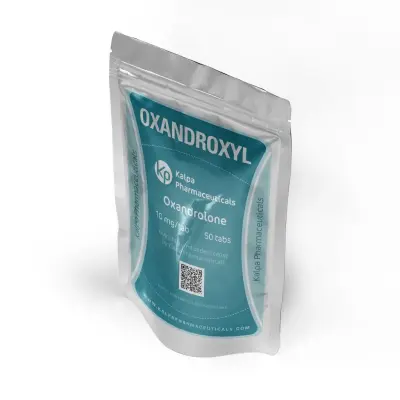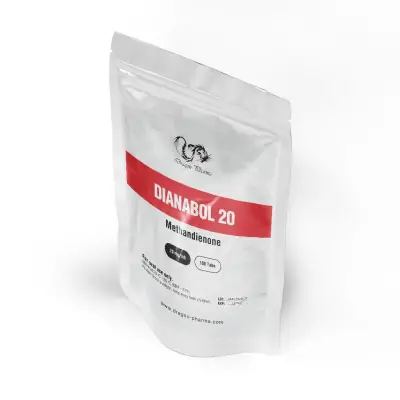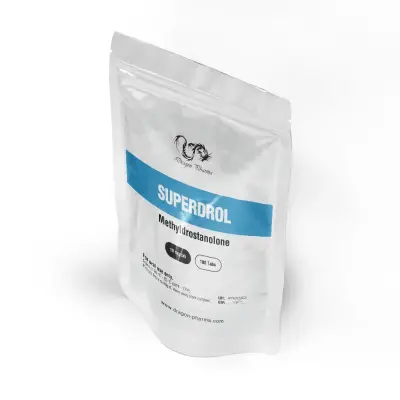

Introduction to Dianoxyl 20mg Tablets
Dianoxyl 20 mg tablets are widely recognized in clinical practice for their role in managing bacterial infections. Classified within the antibiotic group, they are prescribed for a variety of conditions ranging from respiratory tract illnesses to urinary tract infections. Their reputation comes from reliable effectiveness, accessibility, and their inclusion in essential treatment protocols. Understanding how Dianoxyl functions, its recommended dosage, and possible side effects is vital for safe and effective use.

History & Development of Dianoxyl 20
Dianoxyl was introduced as part of advancements in antibiotic therapy during the late 20th century. Designed to improve upon earlier formulations, it offered broader coverage and better absorption compared to its predecessors. Today, it continues to be a cornerstone in medical treatment, prescribed in hospitals and outpatient clinics worldwide.
How It Works
Dianoxyl acts by interfering with the bacterial cell wall, preventing microbes from forming the protective barrier they need to survive. This disruption allows the immune system to clear infections more efficiently. The mechanism is particularly effective against Gram‑positive organisms, while also showing activity against certain Gram‑negative strains.
Common Medical Uses
Healthcare providers prescribe Dianoxyl 20 mg tablets for conditions such as pneumonia, bronchitis, sinus infections, ear infections, and urinary tract infections. In some cases, it is combined with other medications to treat stomach ulcers linked to Helicobacter pylori. Because of its versatility, this antibiotic is often chosen as a first‑line treatment option.
Dosage & Administration
The standard adult dose is 20 mg taken at regular intervals, though adjustments may be made depending on the infection type and patient characteristics. Pediatric doses are calculated based on body weight. It is essential to take the medication consistently and complete the full course, even if symptoms improve early. Stopping treatment prematurely can contribute to antimicrobial resistance, making future infections harder to manage.
Side Effects
Like all antibiotics, Dianoxyl can cause side effects. Common ones include nausea, diarrhea, and mild skin rashes. Rare but serious reactions may involve allergic responses such as swelling, breathing difficulties, or severe rash. Patients with known allergies to related drugs should avoid Dianoxyl. Extended or repeated use may also disrupt the balance of beneficial gut bacteria, leading to secondary infections.
Precautions & Interactions
Patients should inform their physician of any allergies or pre‑existing conditions before starting Dianoxyl. Pregnant or breastfeeding women should consult a healthcare provider to assess risks and benefits. Drug interactions are possible, particularly with anticoagulants like warfarin, which may increase bleeding risk. Always disclose all medications being taken to avoid complications.
Antibiotic Resistance Concerns
One of the greatest challenges in modern medicine is antibiotic resistance. Misuse of Dianoxyl — such as taking it without a prescription, skipping doses, or stopping early — contributes to resistant bacterial strains. Responsible use is essential to preserve the effectiveness of this important therapy for future generations.
Patient Guidance
Dianoxyl tablets should be stored at room temperature, away from moisture and heat. If a dose is missed, it should be taken as soon as possible unless it is nearly time for the next scheduled dose. In that case, skip the missed dose and continue the regular regimen. Patients should seek medical attention if they experience severe side effects or allergic reactions.
Conclusion
Dianoxyl 20mg tablets remain a trusted and effective option for treating bacterial infections. When used responsibly under medical supervision, they provide rapid relief and help prevent complications. Awareness of side effects, precautions, and the importance of completing the prescribed course is essential for safe use.
FAQ
- Can Dianoxyl 20 mg tablets be taken with food?
Yes, they can be taken with or without meals, though food may reduce stomach upset.