

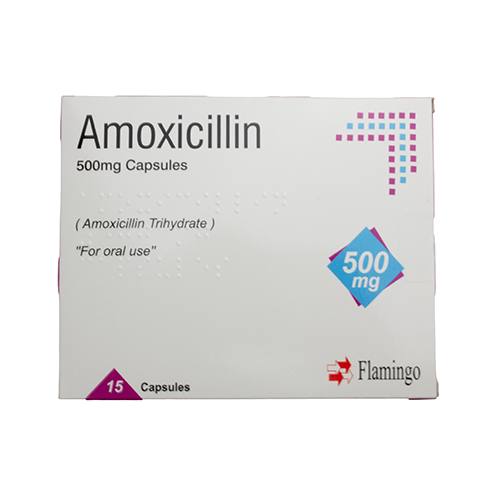
Introduction to Amoxicillin 500mg Tablets
Amoxicillin 500mg tablets are one of the most commonly prescribed antibiotics worldwide. Belonging to the penicillin family, they are used to treat a wide range of bacterial infections, from respiratory tract illnesses to urinary tract infections. Their popularity stems from their effectiveness, affordability, and inclusion on the World Health Organization’s list of essential medicines. Understanding how Amoxicillin works, its proper dosage, and potential side effects is crucial for safe and effective use.
History & Development of Amoxicillin 500mg Tablets
Amoxicillin was developed in the late 1960s as an improvement on earlier penicillin derivatives. Its broader spectrum of activity and better absorption made it a breakthrough in antibiotic therapy. Today, it remains a cornerstone of modern medicine, prescribed in hospitals and clinics across the globe.
How It Works
Amoxicillin targets the bacterial cell wall, preventing bacteria from forming the protective layer they need to survive. By weakening this structure, the drug allows the immune system to eliminate the infection more effectively. This mechanism makes it particularly useful against Gram‑positive bacteria, though it also has activity against certain Gram‑negative strains.
Common Medical Uses
Doctors prescribe Amoxicillin 500mg tablets for conditions such as pneumonia, bronchitis, sinus infections, ear infections, and urinary tract infections. It is also used in combination with other drugs to treat stomach ulcers caused by Helicobacter pylori. Because of its versatility, Amoxicillin is often the first choice when an antibiotic is needed.
Dosage & Administration
The typical adult dose is 500mg taken every 8 hours, though this may vary depending on the infection and patient factors. Children’s doses are adjusted based on weight. It is important to take the medication at evenly spaced intervals and complete the full course, even if symptoms improve early. Stopping treatment prematurely can lead to antibiotic resistance, making future infections harder to treat.
Side Effects
Like all medications, Amoxicillin can cause side effects. Common ones include nausea, diarrhea, and mild skin rashes. More serious reactions, though rare, include allergic responses such as swelling, difficulty breathing, or severe rash. Patients with known penicillin allergies should avoid Amoxicillin. Long‑term or repeated use may also disrupt the balance of healthy bacteria in the gut, leading to secondary infections.
Precautions & Interactions
Patients should inform their doctor of any allergies or existing medical conditions before starting Amoxicillin. Pregnant and breastfeeding women should consult a healthcare provider to weigh risks and benefits. Drug interactions are possible, particularly with anticoagulants like warfarin, which may increase bleeding risk. Always disclose all medications being taken to avoid complications.
Antibiotic Resistance Concerns
One of the biggest challenges in modern medicine is antibiotic resistance. Misuse of Amoxicillin — such as taking it without a prescription, skipping doses, or stopping early — contributes to the development of resistant bacteria. Responsible use is essential to preserve the effectiveness of this vital drug for future generations.
Patient Guidance
Amoxicillin tablets should be stored at room temperature, away from moisture and heat. If a dose is missed, it should be taken as soon as possible unless it is almost time for the next dose. In that case, skip the missed dose and continue the regular schedule. Patients should seek medical help if they experience severe side effects, allergic reactions.
Conclusion
Amoxicillin 500mg tablets remain a trusted and effective treatment for bacterial infections. When used responsibly under medical supervision, they can provide quick relief and prevent complications. However, awareness of side effects, precautions, and the importance of completing the prescribed course is essential for safe use.
FAQ
• Can Amoxicillin 500mg tablets be taken with food? Yes, it can be taken with or without food, though food may reduce stomach upset.



Reviews
There are no reviews yet.